A New History of Animation
The only comprehensive, global text about animation history.
A New History of Animation, 2nd ed
Publication, 2026
Thames and Hudson, 464 pages
Dr. Maureen Furniss & Jeremy Speed Schwartz
Purchase link:
https://wwnorton.com/books/9780500024096
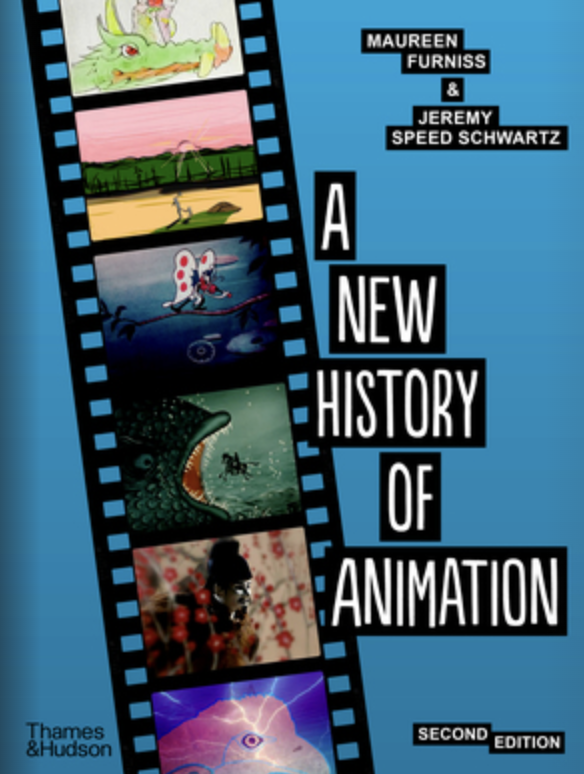
A New History of Animation takes readers from animation’s origins—including descriptions of innovative techniques—and proceeds through the history of the studio system, the growth of television animation, and the emergence of video games and CGI, up to and including the most recent digital developments.
The Second Edition has been thoroughly revised and updated, and includes greater emphasis on animation in East Asia and fuller treatment of animation worldwide; expanded coverage of digital technologies; and more space devoted to historical, social, political, and economic context.
This new edition also takes a broader perspective on the industry in the United States, with wider representation and more examples of contributions from animators of varied backgrounds.
This edition makes use of Prof. Speed Schwartz’ decades of teaching and researching animation history, with renewed focus on experimental and abstract animators, industry in South- and East-Asia, as well as 21st Century technologies in animation production and distribution.
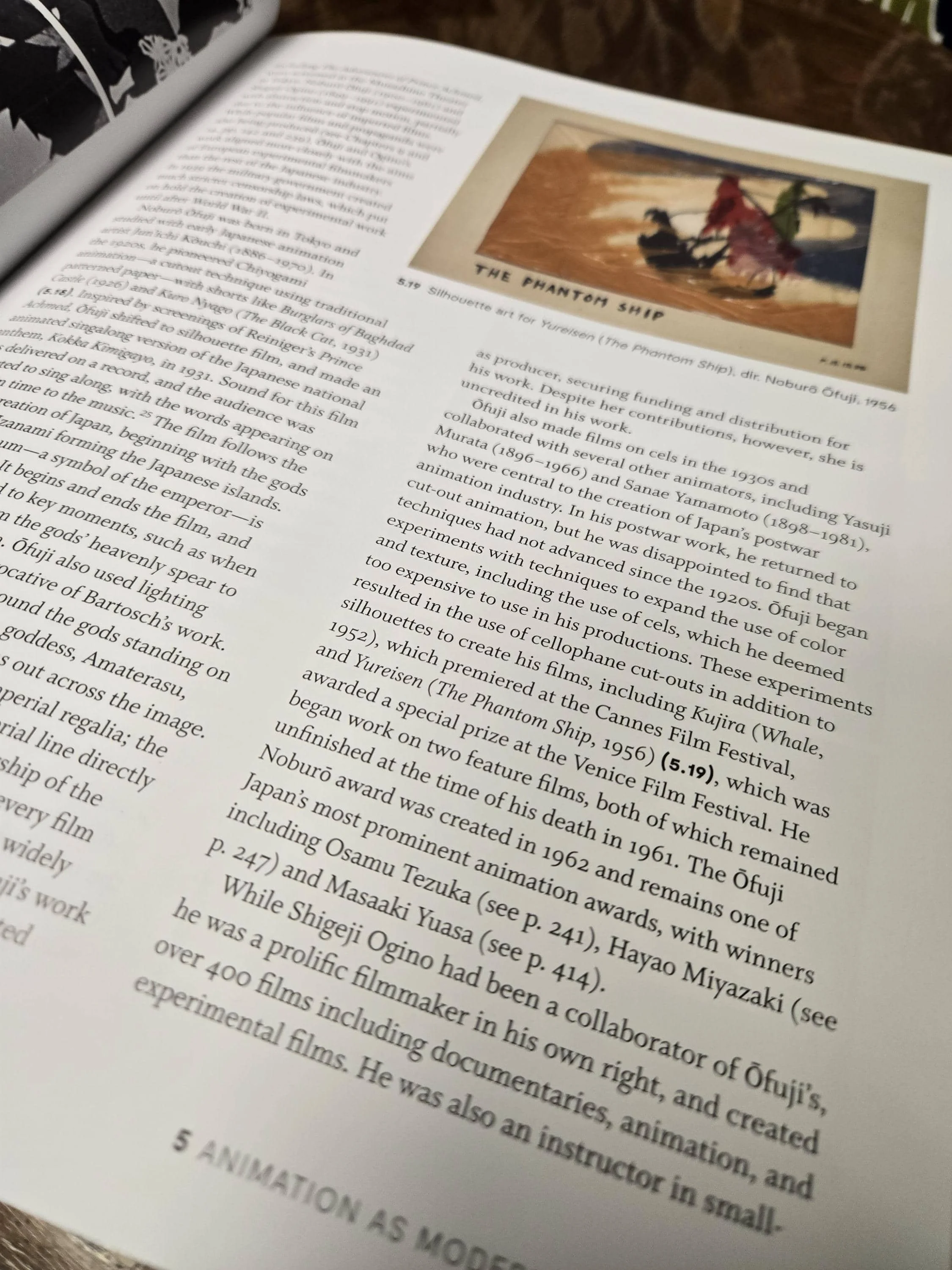
Greater emphasis on animation in East Asia, with a new Chapter 14 on Japanese animation, and multiple sections on the development of animation in China and the Korean peninsula.
Contextualization of political and economic forces driving worldwide animation production, particularly in Chapter 10 focusing on post-war international industrial production.
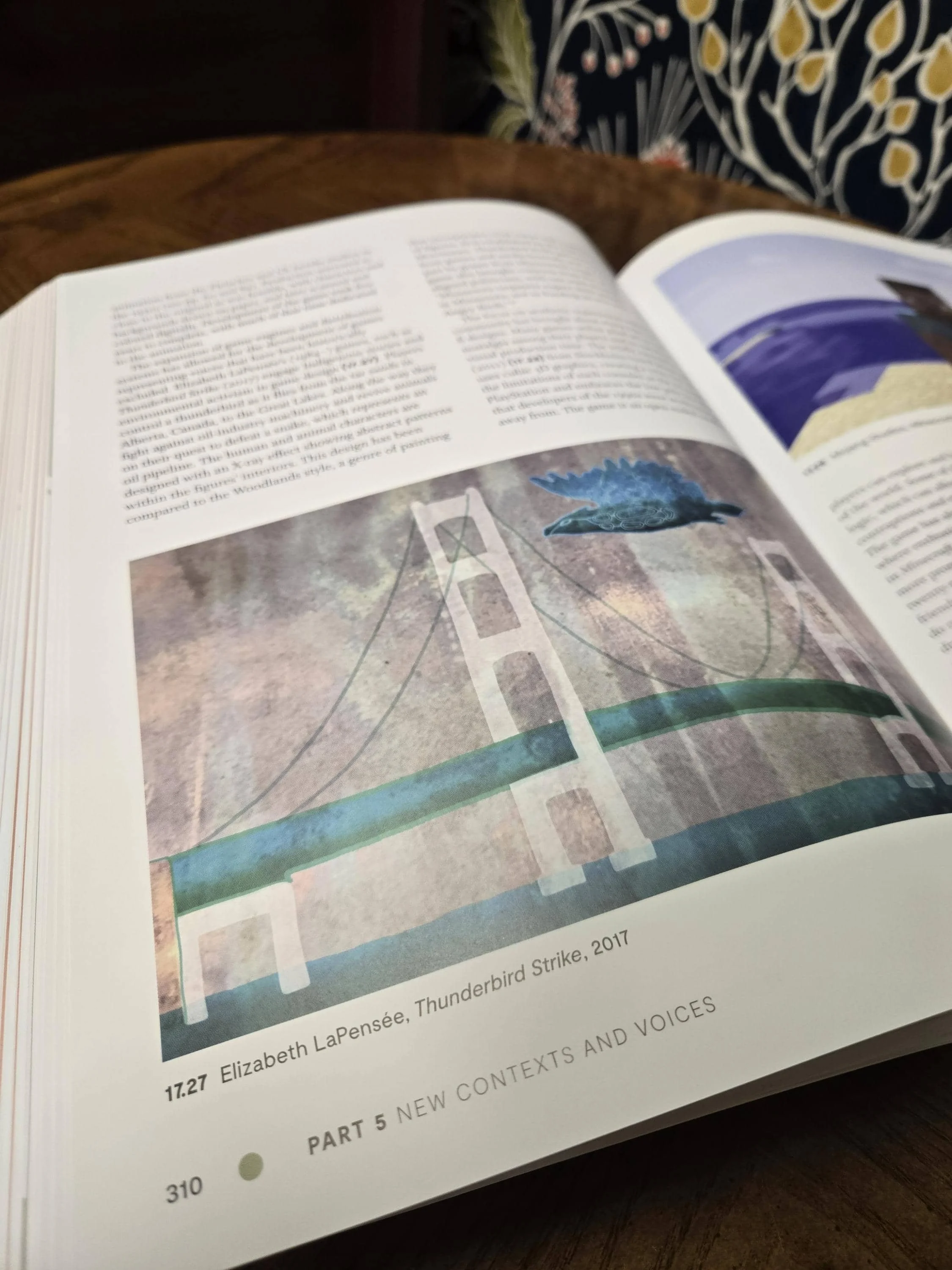
Renewed focus on animation in games, with a new Chapter 17 discussing the animators and practices of production in games worldwide.
Expanded coverage of digital technologies, including a new Chapter 24 discussing virtual and augmented reality, and artificial intelligence in animation.
More space devoted to historical, social, political, and economic context, including unions, the Great Depression, the Cold War, Jim Crow, the Civil Rights movement, and second-wave feminism.
Fuller treatment of animation worldwide, with new examples from Australia, Brazil, Czech Republic, China, Egypt, Estonia, France, India, Japan, Korea, Poland, South Africa, Ukraine, Vietnam, Zambia, and Zimbabwe.
A broader perspective on the animation industry in the United States, notably:
More animators from varied backgrounds, including women, and Latinx, Black, and Asian American practitioners; and a new section in Chapter 12 about how American studios opened up to a wider cross-section of animators in the mid-20th century.
In Chapter 8, new sections describing the lack of Black animators before World War II, and the industry’s efforts to end racial caricature; in Chapter 17, a section on how gender and race are portrayed in video games, and how this has shifted to include greater self-representation.
An emphasis on women in positions of creative control in the Japanese and Chinese animation industries. (Chapters 10, 14, and 23)
Increased focus on the contributions of LGBTQ+ people, including a new section in Chapter 19 on LGBTQ+ representation in independent films, and a new feature in Chapter 21 on television.